Growing up, my father was often away for work.
That's the reality of resort work when you're from Addu. The jobs are in the central atolls, an hour and a half away by domestic flight or a a few days by sea. My father would leave for months at a time. He'd call when he could. He'd come home when rosters allowed. We learned to measure time by his absences and returns.
I used to resent it, honestly. Other kids had fathers who came home every evening. Mine was managing restaurants, its team, ensuring that strangers from countries I'd only seen on television had perfect holidays. The sacrifice felt abstract to me as a child. What could possibly be worth missing so much of your family's life?
He never complained. When he came home, he'd tell stories. The German couple who returned every year and always requested his section. The Japanese honeymooners who cried when they left. The small moments of connection that seemed insignificant but clearly meant something to him.
I listened without understanding.
Now I'm 26, seventeen months into my own career in this industry, working as Cluster Marketing Executive for Centara Hotels & Resorts. And I think I finally understand what my father was doing all those years. What he was part of. Why it mattered enough to sacrifice so much.
I didn't plan to follow him into tourism.
I studied marketing, thinking I'd end up in Malé, maybe working for a marketing agency, handling accounts. Something that wouldn't require the constant travel that defined my father's career.
But when the opportunity came to work in resort marketing, I took it. Maybe I wanted to understand what had drawn my father for four decades. Maybe I was curious about this parallel version of my country that I'd grown up adjacent to but never really known. Maybe I just wanted to earn well in a country that relied on the earnings of the tourism industry, the same earnings my father relied on.
Whatever the reason, I took it. Packed my bags, flew north, and started learning how to sell my own homeland to the world.
That's a strange position to be in. Trust me.
The first thing that struck me, working in resort marketing, was how differently foreigners see the Maldives.
To me, this is just home. The ocean is the ocean. I grew up swimming in it, eating fish from it, watching my grandparents read weather in its colors and moods. The particular blue that makes tourists gasp is just the water I've always known.
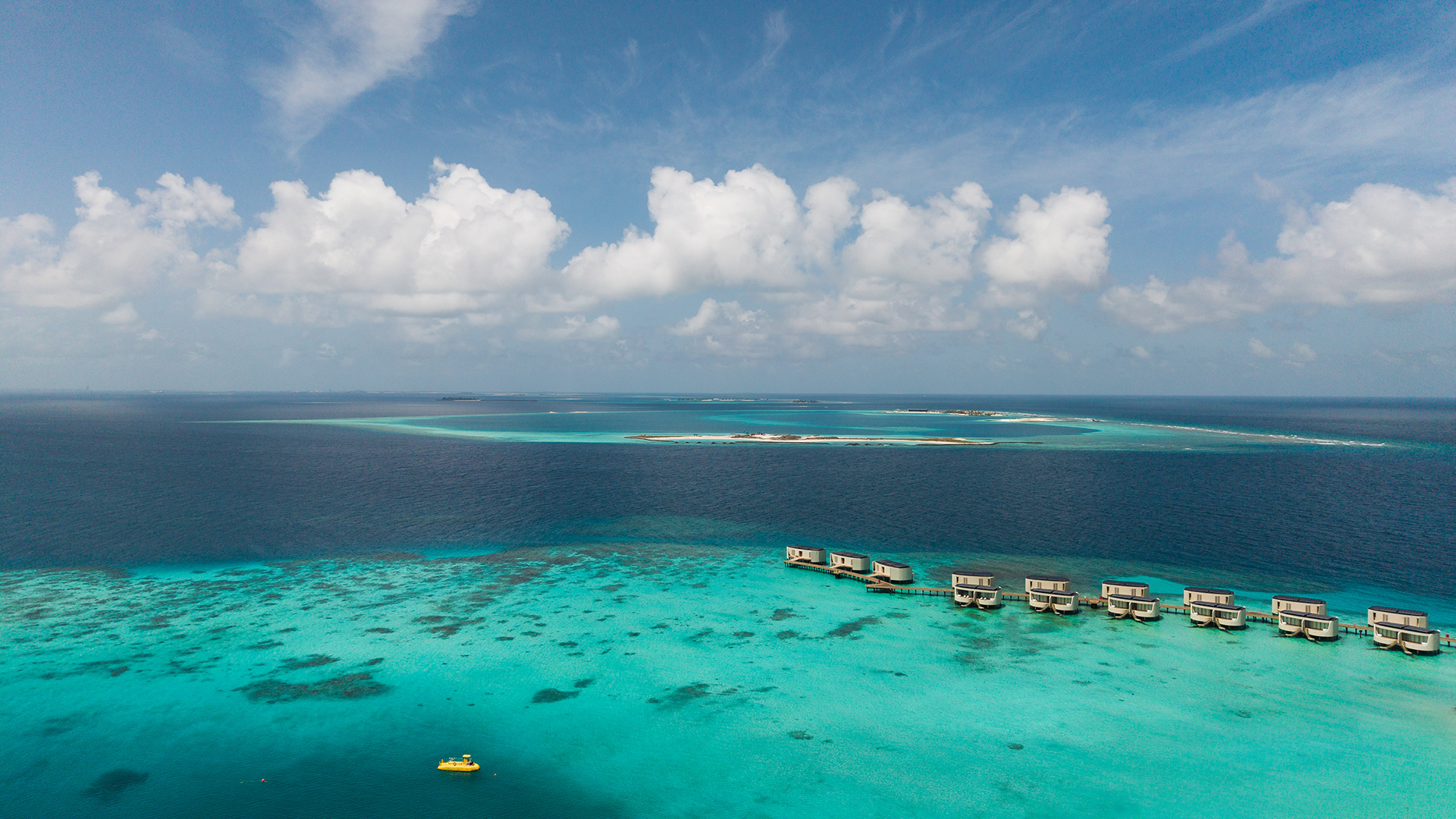
But watching guests arrive, seeing their faces as the speedboat crosses from deep channel to shallow lagoon, I started understanding something. They're seeing escape. Freedom. Beauty so different from their daily lives that it registers as almost unreal.
I've sat in marketing meetings where we discuss how to capture this feeling in photographs, in copy, in video content. The challenge isn't showing what the Maldives looks like. Everyone knows that. The challenge is conveying what it feels like to leave everything behind and exist, even briefly, in a place this beautiful.
What I've realized is that I took it for granted. Growing up surrounded by this, I stopped seeing it. My work forced me to look again, to notice what I'd always known but never appreciated.
That's been the unexpected gift of this work. My country became new to me. I realized what it meant to become a hotelier in the Maldives and and what my father's 40 years in hospitality must have looked like.